 family
INFORMATION TO SUPPORT FAMILY
family
INFORMATION TO SUPPORT FAMILY
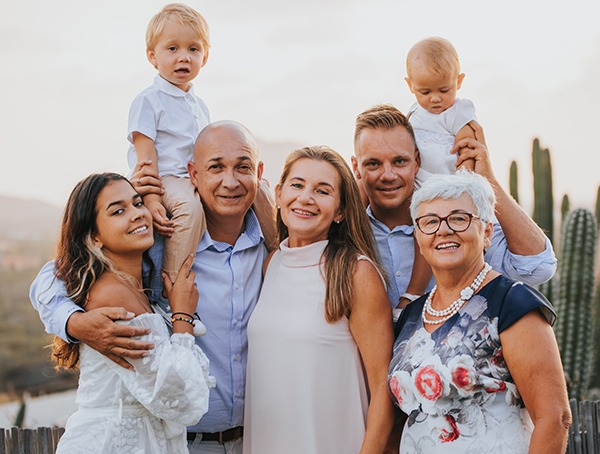
The friends and family of survivors deal with the effects of abuse and often experience them directly. You may be part of the inner circle of support and are looking for information about abuse and prevention, but you also may desire help for yourself. We hope this website will help you understand and respond to the physical, emotional, and spiritual impact of abuse and neglect. We urge you to seek counseling for yourself, as well. We are willing to assist by answering any spiritual questions you may have or to help you find a professional who can help.
If you have any questions, please contact us.
Call 911 if you or someone you know is in crisis and needs immediate assistance.
Additional resources include:








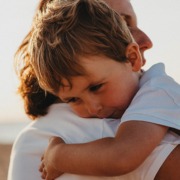
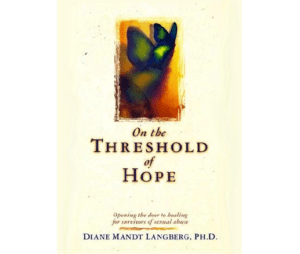
Children are abused or neglected in many ways. A child may be beaten. A child may be touched sexually or forced to touch sexually another person. A parent or other caretaker may emotionally abuse a child by telling them they are of no value or should have never been born. A child is also maltreated when a parent fails to feed or clothe a child or denies essential medical care. Children are also maltreated when they witness violence between their parents. Although child abuse laws differ from state to state, our website includes a summary of standard definitions developed by the World Health Organization and International Society on Child Abuse and Neglect.
Every ten years, the United States Department of Health conducts a massive study to determine as much information as possible about child abuse in the United States. This research has consistently found that most children are abused or neglected by their biological parents or their non-biological parent or partner. Specifically, the researchers found that 100% of neglected children, 93% of emotionally abused children, 91% of physically abused children, and 60% of sexually abused children have been victimized by their biological or non-biological parents or partners. Others who may abuse children include those who have access to children through day cares, schools, churches and other youth serving organizations.
Most abused or neglected children are violated in multiple ways. Specifically, 66% of children abused in one way are abused in at least two ways and approximately 30% of abused children are maltreated in five or more categories (physical abuse, sexual abuse, emotional abuse, neglect, witnessing violence, etc.).
This is why it is important to pay attention to all possible forms of abuse and, when working with a survivor, to keep in mind the likelihood he or she has been abused in many ways. If you would like to read more about this research, we recommend the following articles:
Heather A. Turner, David Finkelhor, and Richard Omrod, Poly-Victimization in a National Sample of Children and Youth, 38(3) American Journal of Preventive Medicine 323 (2010); David Finkelhor, Richard K. Omrod, Heather A. Turner, Poly-victimization: A Neglected Component in Child Victimization,31 Journal of Child Abuse & Neglect 7 (2007).
In a series of studies of more than 450,000 patients, the Centers for Disease Control and Kaiser Permanente found that physical abuse, sexual abuse, emotional abuse, neglect and other forms of maltreatment are associated with higher risks of numerous medical and mental health conditions including cancer, heart disease, liver disease, depression, anxiety disorders, and sleep disorders. The researchers found that the greater number of categories of abuse a patient endured, the greater the potential impact on their health.
If you or someone you know has experienced child abuse, you may want to acquaint yourself with Adverse Childhood Experience (ACE) research and to discuss this with your doctor, counselor or other professionals.
Many survivors of abuse and neglect lead productive lives free of many of the adverse medical and mental health conditions previously discussed. How quickly, and to what extent a victim of abuse heals is dependent on a number of factors.
There is a body of research on resilience which finds that simple things such as keeping a child in school, getting them involved in sports, music and other activities that build self-esteem and model non-abusive responses to conflict can be very important. There is also a substantial body of research that maintaining a connection to faith, including a healthy sense of spirituality, can reduce the potential short and long term impact of abuse.
The National Center for Missing & Exploited Children has a 24 hour hotline if you believe you have seen a missing child or encounter sexually exploitive images. NCMEC also has resources that parents, churches and schools can use in teaching children online safety.
Visit our FFTC counselors page for resources that may help in finding a counselor.
Lutheran Church Missouri Synod Child Abuse Resources. This website, created by a Missouri Synod (LCMS) Task Force on child abuse, contains articles, prayers, coloring books and other resources that may help churches and families in responding to the sin of child abuse.
Prevent Child Abuse America is the nation’s oldest and largest organization committed to preventing child abuse and neglect before it happens. They promote programs and resources families; churches and communities prevent child abuse and neglect.
Act Against Violence (ACT) Raising Safe Kids Program is designed to help parents raise healthy children and to reduce the risk of physical or emotional abuse. The program was developed by the American Psychological Association and its effectiveness is supported by research.
The American Academy of Pediatrics: Evaluation Sexual Behaviors in Children. Parents, clergy, teachers, and others may struggle with discerning a child’s sexual behaviors. This article helps sort out normal and abnormal sexual behaviors in children and offers guidance when professional assistance is necessary.
The Matty Eappen Foundation has resources to help prevent abusive head trauma in infants, which is commonly called Shaken Baby Syndrome. The foundation also has a grant program to assist families impacted by this form of child abuse.
Informational brochures and counselor information to help Christians make informed choices as they choose a mental health provider when suffering from abuse or addiction.
Standing Up for Children: A Christian Response to Child Abuse and Neglect. All churches and schools need to be safe places where leaders actively work to prevent abuse. Freedom for the Captives (FFTC) offers online training videos taught by experts Mr. Victor Vieth, director of education and research at Zero Abuse Project and Prof. John Schuetze, a seminary professor and counselor. To learn more, check our training webpage. To request the training for yourself or your group, please complete our online learning registration form.
Zero Abuse Project has a number of resources for parents, schools and churches in teaching children personal safety.
The Search Institute has developed tools for parents and schools to use in teaching children perseverance and resilience, including a connection to faith.